

The Economics of Aspirational Aesthetics
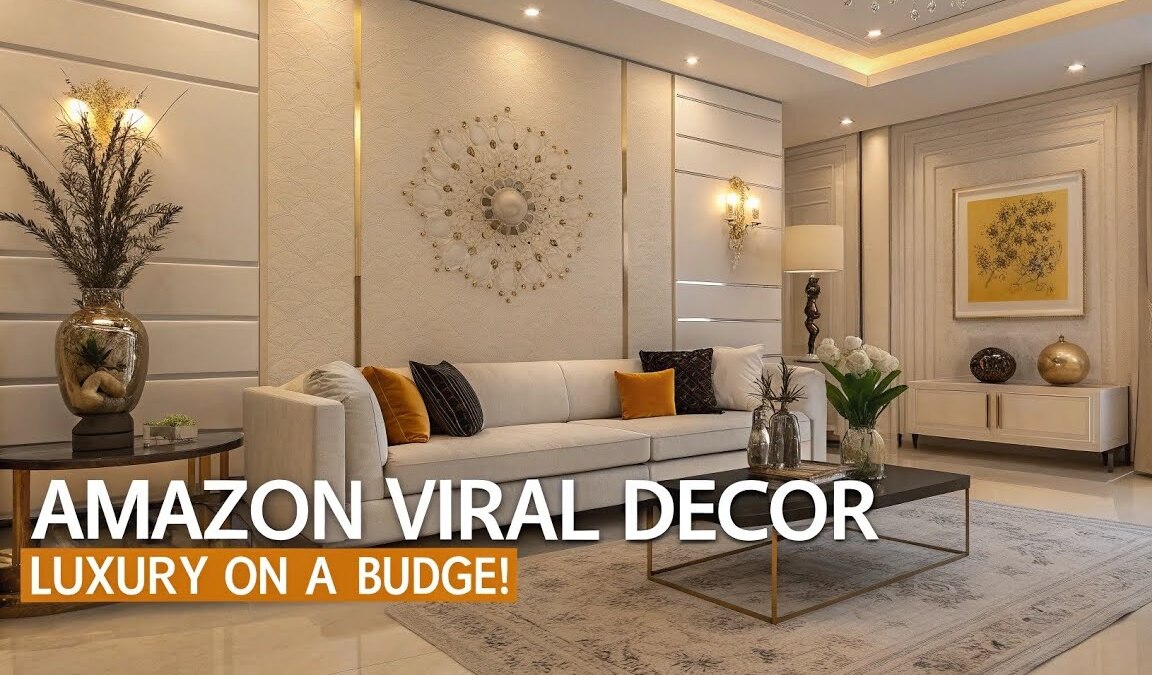
The proliferation of “designer-look” home accessories represents one of the most significant shifts in contemporary consumer culture: the democratization of high-design aesthetics through algorithmic retail. Content promising “Designer-Look Home Accessories on an Amazon Budget” operates at the intersection of aspiration and accessibility, offering visual status without traditional economic barriers. This phenomenon reflects broader cultural shifts in how we understand luxury, authenticity, and aesthetic value in the digital age.

Historically, design served as a marker of cultural capital—the ability to recognize and acquire well-designed objects signaled education, taste, and economic standing. Today’s marketplace disrupts this paradigm, making the signifiers of design literacy available to anyone with an Amazon account. But what is lost and gained in this translation?
The Grammar of “Designer-Look”
Successful design replication depends on extracting identifiable formal cues while eliminating costly production elements:
Iconic Silhouette Extraction: Duplication focuses on recognizable shapes—the Arco lamp’s arc, the Eames lounge’s silhouette, the Kartell Bourgie’s outline. These silhouettes become detached from their material and manufacturing contexts, functioning as pure aesthetic signifiers.
Material Translation: Design dupes perform alchemical translation: marble becomes resin-coated MDF, polished brass becomes gold-toned plastic, hand-blown glass becomes molded acrylic. This creates what material culture scholars term “semiotic materials”—substances that reference other substances through visual approximation rather than material authenticity.
Detail Omission Strategy: Cost reduction requires eliminating nuanced details—the precise joint construction, the weight distribution, the subtle finish variations. The dupe captures the general impression while sacrificing the specific craft.
The Ethical Landscape of Design Appropriation
The designer-look marketplace exists in complex ethical territory:
Intellectual Property Gray Zones: Many dupes operate in legal gray areas, replicating designs whose patents have expired or exploiting loopholes in design protection. This raises questions about design as cultural heritage versus proprietary property.
Labor Value Disparities: While original designs often incorporate skilled craftsmanship and ethical labor practices (though not universally), dupes typically rely on globalized manufacturing with opaque labor conditions. The price difference reflects not just material savings but labor cost externalization.
Environmental Cost Differential: Original designer pieces often prioritize durability and reparability, while dupes follow fast-furniture models with planned obsolescence. The environmental impact extends beyond production to disposal frequency.
Case Study: The Eames Chair Phenomenon
The Eames lounge chair reproduction market offers illuminating insights. Herman Miller’s original represents American mid-century design at its most iconic, combining material innovation with ergonomic research. Amazon reproductions capture the visual essence while compromising on material quality, construction techniques, and ergonomic precision. This case illustrates how design dupes preserve aesthetic recognition while sacrificing the integrated design thinking that made originals significant.
Psychological Dimensions of Accessible Luxury
The “affordable luxury” market operates through specific psychological mechanisms:
Status Signaling Economics: Consumers acquire visual markers of taste and sophistication without traditional economic barriers. This creates what sociologist Pierre Bourdieu might have analyzed as the democratization of cultural capital—though whether this represents genuine cultural acquisition or mere signaling remains debated.
The Instagram Effect: Social media platforms prioritize visual recognition over material authenticity. A recognizable designer silhouette performs effectively in two-dimensional digital spaces regardless of its three-dimensional material reality.
The Diderot Effect Revisited: The 18th-century concept of the Diderot Effect—where one acquisition drives further consumption to maintain aesthetic coherence—operates powerfully in designer-look markets. One dupe necessitates an entire ecosystem of coordinated accessories.
Material Compromise Analysis
The budget translation necessitates specific material compromises:
Weight and Acoustics: Dupes lack the substantial weight and solid acoustics of quality originals. A hollow sound when tapped, light feel when lifted—these sensory experiences betray budget origins.
Finish Durability: Thin veneers chip, plastic coatings yellow, printed wood grains reveal repetition patterns. The dupe announces itself through deterioration patterns.
Assembly Quality: Knock-down furniture construction with particle board and cam locks cannot replicate the integrity of solid joinery. The assembly experience itself reveals the quality differential.
Toward Ethical Aspirational Consumption
Consumers navigating this landscape might consider alternative approaches:
The Strategic Original Investment: Rather than multiple dupes, invest in one authentic designer piece (perhaps vintage or from a younger designer). This creates an anchor of authentic quality around which other elements can revolve.
Independent Maker Support: Platforms like Etsy and local craft fairs offer original designs at accessible prices while supporting individual artisans. These pieces offer authenticity without corporate design appropriation.
Design Literacy Development: Study design history to understand why certain pieces became iconic. This knowledge allows appreciation beyond surface aesthetics and informs more discerning purchases.
Material-First Approach: When budgets limit designer purchases, prioritize genuine materials over design imitation. A solid wood table of simple design often surpasses a complex imitation of premium materials.
The Cultural Implications of Design Democratization
This trend reflects broader cultural shifts:
Aesthetic Inflation: As design signifiers become widely accessible, their cultural value diminishes. What once signaled specialized knowledge becomes commonplace, requiring new, more exclusive signifiers.
Experiential versus Object Luxury: Some argue we’re shifting from object-based to experience-based luxury. The designer-look market might represent a transitional phase—affordable objects pointing toward (unaffordable) experiences.
Digital Authenticity Crisis: In a world of filters and digital manipulation, material authenticity becomes both more precious and more difficult to verify. The dupe market thrives in this environment of visual rather than material assessment.
Conclusion: Beyond the Look
“Designer-Look Home Accessories on an Amazon Budget” represents a complex cultural negotiation between aspiration and accessibility. While it makes design recognition more democratic, it risks creating a landscape of aesthetic derivatives disconnected from the material, ethical, and intellectual contexts that give design meaning.
The most thoughtful approach to domestic aesthetics might involve neither blind designer worship nor indiscriminate duplication, but rather developing personal design literacy—understanding what one genuinely appreciates, why certain designs work, and how to assemble spaces that reflect individual values rather than algorithmically-determined trends. True luxury in home environments may reside less in recognizable silhouettes and more in spaces that authentically reflect their inhabitants’ values, experiences, and ways of being in the world—qualities no dupe can replicate, regardless of its visual approximation of status.