

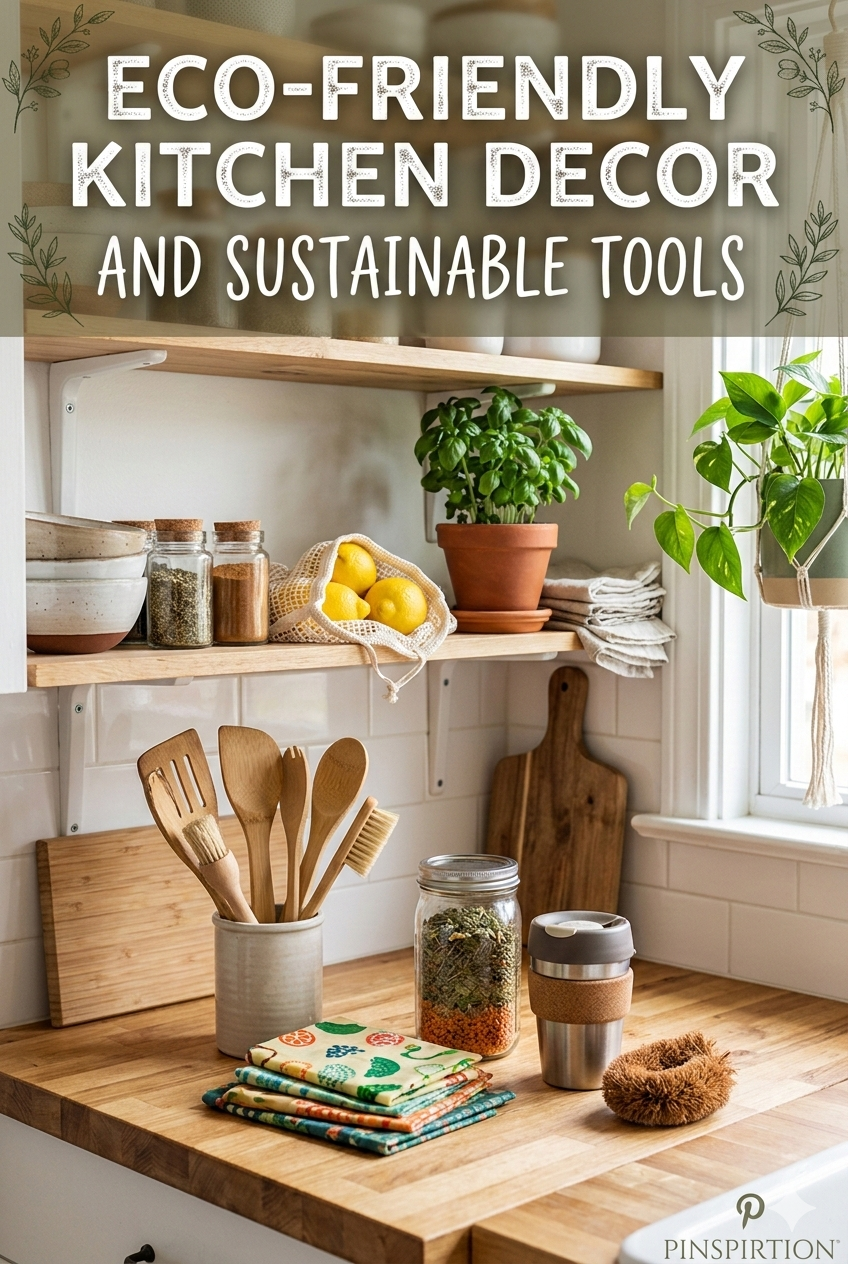
In an era where sustainability shapes home design, the kitchen emerges as a prime space for earth-friendly choices that reduce waste and enhance daily living. Eco-friendly kitchen decor and sustainable tools—featuring green swaps like bamboo utensils, reusable wraps, and natural decor—create a functional, beautiful environment aligned with 2026 trends toward zero-waste, organic materials, and biophilic elements.
These updates minimize plastic use, promote longevity, and infuse warmth through natural textures and greenery. Trending strongly with #SustainableKitchen, #EcoDecor, and #GreenHome, this approach blends practicality with style, whether refreshing counters with reclaimed accents or swapping disposables for durable alternatives. Affordable and impactful, these ideas help lower your environmental footprint while fostering a cozy, mindful cooking space.
Sustainable kitchens in 2026 prioritize responsibly sourced materials, energy efficiency, and circular design—think recycled countertops, reclaimed wood, and low-impact tools that last. Experts emphasize that small swaps accumulate big benefits: reducing single-use plastics cuts household waste significantly while natural elements like bamboo and plants improve air quality and ambiance. This guide explores key categories with practical recommendations and hacks to make your kitchen greener effortlessly.
Bamboo Utensils and Tools: Durable, Antimicrobial Swaps
Bamboo stands out as a renewable superstar for kitchen tools—fast-growing, biodegradable, and naturally antimicrobial to resist bacteria better than plastic. In 2026, bamboo utensils top lists for their lightweight strength and non-toxic appeal.
Start with a set of bamboo cooking spoons and spatulas, like the Riveira 6-piece set (around $15), featuring varied shapes for stirring, flipping, and serving without scratching cookware. These heat-resistant tools replace plastic ones prone to melting or leaching chemicals. Pair with a bamboo utensil holder—expandable designs with compartments keep counters tidy and add rustic charm.
For cutting, opt for Farberware non-slip bamboo cutting boards with juice grooves (under $20)—they’re gentle on knives and eco-friendly alternatives to plastic boards that harbor microplastics. Bamboo’s natural properties make it ideal for high-use items; hand-wash and oil occasionally for longevity.
A quick hack: Store utensils in a bamboo caddy on the counter for easy access, or hang them on hooks for vertical storage in small spaces. These swaps eliminate microplastic risks while adding warm, natural texture.
Reusable Wraps and Storage: Ditch Plastic for Good
Reusable wraps and containers slash single-use waste dramatically. Beeswax wraps top the list as a natural, compostable alternative to cling film.
Beeswax wraps—coated cotton fabric with beeswax, jojoba, and tree resin—mold around bowls or produce with hand warmth, reusable for months. Patterns like leaf motifs or honeycomb add subtle decor; sets often under $20 cover various sizes. They’re breathable to keep food fresher longer than plastic.
Complement with glass jars and silicone lids for bulk storage—clear visibility reduces food waste, and airtight seals preserve freshness. For portability, reusable produce bags in cotton or mesh replace plastic ones.
Hack: Fold wraps neatly in a drawer or display rolled ones in a basket for charming, accessible storage. These items pay for themselves quickly by cutting grocery packaging.
Natural Decor Elements: Bring the Outdoors In
Eco decor infuses serenity through plants, reclaimed wood, and organic textiles. In 2026, biophilic design thrives with greenery and earthy tones for calming kitchens.
Incorporate potted herbs or trailing plants like pothos on shelves or windowsills—fresh ingredients double as air purifiers. Use terracotta or recycled ceramic pots for authenticity.
Reclaimed wood shelves or cutting boards leaned against walls add rustic texture; display woven baskets for fruits or linens. Natural textiles—linen towels or jute runners—soften surfaces sustainably.
Subtle accents like dried eucalyptus bundles or wooden trays enhance coziness without excess. Green cabinetry or accents in sage or forest tones trend strongly, pairing with wood for grounded luxury.
These elements create a harmonious, nature-inspired space that feels restorative.
Additional Sustainable Swaps for a Zero-Waste Kitchen
- Stainless steel or bamboo straws and cutlery for on-the-go use.
- Compost bin under the sink for scraps.
- Energy-efficient LED under-cabinet lighting and water-saving faucets.
- Cloth napkins and dish towels instead of paper.
Hack: Create a “zero-waste station” with jars for recyclables and compost—streamline habits while keeping counters clear.
Conclusion
Eco-friendly kitchen decor and sustainable tools—like bamboo utensils, reusable wraps, and natural accents—transform your space into an earth-conscious haven. These green swaps align with 2026’s focus on longevity, natural materials, and mindful living, reducing waste while elevating style. Start with one or two changes, like a bamboo set or beeswax wraps, and build from there. Embrace #SustainableKitchen and #EcoDecor for inspiration—your greener, cozier kitchen is within reach!