

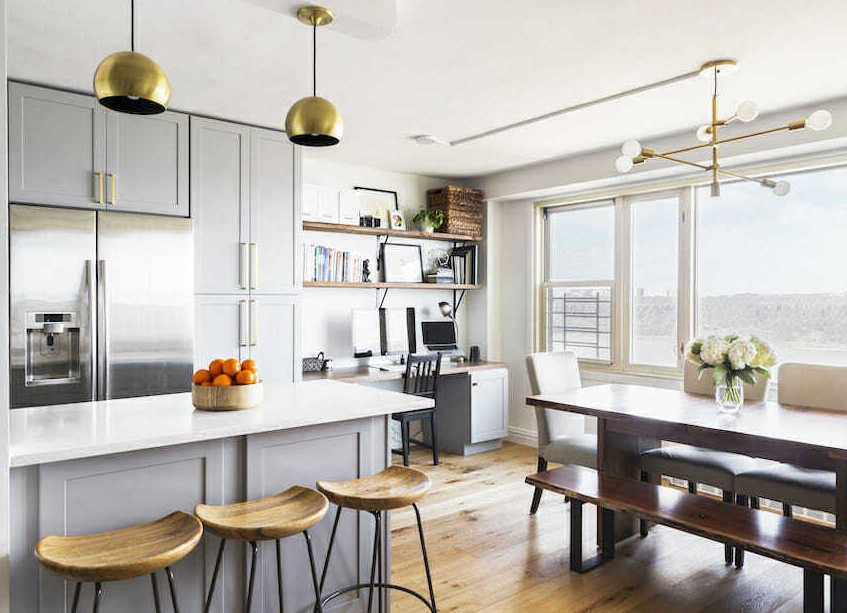
In today’s fast-paced world of remote work, carving out a dedicated workspace doesn’t require a sprawling room or extravagant budget. Enter the minimalist home office corner in your kitchen nook—a sleek, low-clutter solution that blends functionality with serene design. This setup transforms underutilized spaces like breakfast alcoves or awkward corners into efficient hubs for productivity, ideal for those juggling home life and professional demands. With smart storage tools, minimalist decor, and a focus on simplicity, you can create a workspace that feels integrated yet distinct, promoting focus without overwhelming your kitchen’s aesthetic. Drawing from expert insights and real-home examples, this guide explores how to achieve this cozy yet professional vibe. Hashtags like #MinimalistHome, #KitchenNook, and #HomeOfficeIdeas capture the essence of this trend, perfect for small apartments, family homes, or anyone seeking balance in multifunctional spaces. Whether you’re a freelancer sipping coffee mid-meeting or a parent overseeing homework while answering emails, these ideas will help you craft a tidy, inspiring corner that enhances daily life.
Minimalism in home design emphasizes “less is more,” prioritizing clean lines, neutral palettes, and purposeful items to reduce visual noise and mental clutter. According to design principles, a minimalist workspace can boost productivity by up to 20% by minimizing distractions. In a kitchen nook, this approach is especially valuable, as it allows seamless transitions between cooking, dining, and working. We’ll break it down into key elements: selecting the spot, furniture choices, storage solutions, decor touches, lighting and tech, and practical hacks. By incorporating affordable, space-saving tools—many under $50—you’ll achieve a low-clutter environment that’s both stylish and practical for remote work.
Selecting the Perfect Kitchen Nook for Your Home Office
The foundation of a minimalist home office corner lies in choosing the right location within your kitchen. Look for unused alcoves, such as a breakfast nook or space under stairs, that receive natural light but aren’t in high-traffic areas to maintain focus. In small kitchens, an awkward corner near the fridge or pantry can become a gem—think of it as repurposing dead space for efficiency. For instance, renovations often open up walls between kitchens and dining areas to integrate a desk nook seamlessly.
Assess the nook’s dimensions: Aim for at least 30-36 inches wide for a compact desk, ensuring enough legroom (about 24 inches deep). If your kitchen has high ceilings, leverage vertical space for shelves without encroaching on countertops. In co-ops or apartments, built-in options like those in Upper East Side remodels show how to tuck a workstation into the kitchen layout without sacrificing flow. A pro tip: Use a folding screen or area rug to visually separate the office from the kitchen, creating a psychological boundary for better work-life balance.
Natural light is crucial for a minimalist vibe—position near windows to reduce eye strain and enhance mood. If light is limited, opt for nooks with easy access to outlets for task lighting. This setup not only saves space but also keeps you connected to household activities, making it ideal for remote workers who multitask.
Minimalist Desk and Seating Options on a Budget
At the heart of your kitchen nook office is the desk and chair—keep them sleek and multifunctional to embody minimalism. Floating shelves turned into desks are a budget-friendly DIY favorite, as seen in Danish designs where a simple shelf along three walls creates a tiny yet thriftily made workspace. Priced under $20 for brackets and wood from hardware stores, this option maximizes floor space and blends with kitchen cabinetry.
For ready-made desks, slim wall-mounted models like IKEA’s fold-down versions (around $40) are perfect for tight nooks, folding away when not in use to maintain a clutter-free kitchen. Pair with a compact stool or upcycled chair—think slim, armless designs in neutral tones like white or natural wood to keep the area airy. In one renovation, a built-in desk with cabinet systems organized work and kids’ supplies efficiently.
Seating should prioritize ergonomics without bulk: Adjustable stools under $30 from online retailers offer height versatility for counter-level desks. For a cohesive look, match materials to your kitchen—wood for warmth or metal for a modern edge. This minimalist approach ensures your office corner feels like an extension of the kitchen, not an intrusion.
Smart Storage Tools for Low-Clutter Organization
Storage is key to maintaining a minimalist home office, especially in a shared kitchen space. Focus on vertical and hidden solutions to keep surfaces clear. Floating shelves above the desk, installed for under $15 per shelf, hold essentials like notebooks and plants while adding subtle decor. In cloffice transformations, IKEA cabinets hide clutter, keeping the nook minimal and clean.
Pegboards or magnetic strips (around $10) on walls organize tools like scissors and cables without drawers. For built-ins, consider shallow cabinets or drawers under the desk for files—seen in kitchen workstations where vertical storage maximizes tiny nooks. Multi-purpose bins, like stackable acrylic ones under $20, sort supplies invisibly.
Cable management tools, such as adhesive clips ($5), prevent tangles, preserving the sleek aesthetic. In breakfast nook combos, built-in benches with storage double as seating and filing areas. These smart tools ensure your workspace stays low-clutter, fostering a calm environment for remote work.
Minimalist Decor Touches to Enhance Serenity
Decor in a minimalist kitchen nook office should be intentional and sparse, focusing on functionality with subtle beauty. Neutral color palettes—whites, grays, and beiges—create a sense of openness, as in graphic black-and-white setups warmed by wood tones. Add one or two plants, like succulents in simple pots ($10), for a touch of life without overwhelming.
Wall art is minimal: A single framed print or motivational quote under $15 adds personality. In cozy nooks, wallpaper on the ceiling introduces pattern subtly. Textiles like a small rug ($20) define the space, absorbing sound for quieter calls.
Keep surfaces bare except for essentials—a sleek lamp or organizer. This restraint aligns with minimalism, making your nook a peaceful retreat amid kitchen bustle.
Lighting and Tech Essentials for Productivity
Proper lighting transforms a kitchen nook into a functional office. Task lamps with adjustable arms ($25) provide focused illumination, reducing glare on screens. Natural light from windows is ideal, supplemented by under-shelf LEDs ($15) for even glow.
Tech-wise, opt for wireless peripherals to minimize cords—a compact keyboard and mouse set under $30 keeps desks tidy. Monitor stands ($20) elevate screens ergonomically. In integrated kitchens, outlets in cabinets hide chargers.
Smart plugs ($10) control devices remotely, enhancing efficiency. These elements ensure your minimalist setup supports long remote work hours comfortably.
DIY Hacks and Budget Tips for Customization
DIY hacks make minimalist home offices accessible. Turn a nook into a desk with floating shelves and brackets—inexpensive and customizable. Repurpose kitchen items: Use a bar cart as mobile storage ($30).
Paint accents differentiate the nook— a contrasting wall for under $20. Tension rods create dividers for privacy. In small spaces, vertical gardens or magnetic boards add utility without cost.
Seasonal tweaks, like swapping decor, keep it fresh. Thrift finds for chairs or shelves cut expenses, proving minimalism is budget-friendly.
Conclusion
Creating a minimalist home office corner in your kitchen nook is about smart, intentional choices that blend work and home seamlessly. From floating desks to hidden storage and subtle decor, these ideas foster a low-clutter, productive space perfect for remote work. Embrace #MinimalistHome and #KitchenNook trends to craft your ideal setup—start small, and enjoy the serenity it brings.